AUTHORS
Dr. Joseph P. Buhain, EdD, MBA, RRT, FAARC, CHSOS, CMSP, NREMTB
Affiliation
Florida Gulf Coast University, Fort Myers, Florida
Conflict of interest
The author has no conflict of interest to declare.
Corresponding Author
Joseph P. Buhain, jbuhain@fgcu.edu
Abstract
Background: The increasing frequency of mass casualty events and the growing complexity of healthcare systems underscore the need for interprofessional education (IPE) and simulation-based training. The purpose of this manuscript was to showcase interprofessional simulation on a diverse, large-scale collaboration on trauma care, while assessing ICCAS pre- and post-survey strategies.
Methods: The simulation was guided by the Interprofessional Education Collaborative (IPEC) core competencies of values/ethics, roles/responsibilities, communication, and teamwork. Students engaged in triage, trauma management, mental health first aid, epidemiological surveillance, and rehabilitation planning, while graduate-level participants assumed leadership roles aligned with advanced accreditation standards.
Results: Pre- and post-event assessments demonstrated significant gains, including a 35% increase in self-reported disaster response confidence, a 40% improvement in interprofessional communication, and a 30% increase in accurate triage decision-making. Observational data confirmed enhanced collaboration and efficiency, with stabilization times reduced by 25%.
Conclusion: This report highlights the effectiveness of hybrid and high-fidelity simulation in disaster preparedness, the value of community and agency partnerships, and the importance of embedding IPE into both undergraduate and graduate curricula. FGCU’s Disaster Day demonstrates a best-practice model for experiential, interprofessional learning that strengthens healthcare workforce readiness and community resilience. While this special report provides a comprehensive description of FGCU’s Disaster Day Interprofessional Simulation, the overarching scholarly purpose of the manuscript is to evaluate simulation design, execution fidelity, educational outcomes, or comparative institutional effectiveness.
INTRODUCTION
The nature of modern healthcare demands a workforce capable of operating under pressure, across disciplines, and in highly unpredictable environments. Interprofessional education (IPE) has emerged as a key strategy in fostering collaborative, team-based healthcare, particularly in times of crisis. One of the most effective formats for implementing IPE is through disaster simulations, which provide real-time, immersive learning environments where students engage in problem-solving, communication, triage, and critical thinking.
This special report explores the interprofessional simulation model implemented by Florida Gulf Coast University (FGCU), specifically its Disaster Day event. Held annually by the Marieb College of Health & Human Services programs, the simulation integrates a hybrid of healthcare and performing arts disciplines to mimic real-world emergency scenarios. The event’s success highlights the importance of simulation education in curriculum development for both undergraduate and graduate health programs.
The design was implemented by Diania Tsenekos, Director of Emergency Management, and Dr. Joseph Buhain, Director of IPE at FGCU. The thought process was to create an IPE event unlike any other in southwest Florida, where medical providers and health and human service students can work together in a simulated a disaster event. Subject matter expert, Dr. Elizabeth Swann, Director of Simulation at Nova University, contributed to developing the IPEC standards of training for this first event, led by Dr. Joseph Buhain, the Director of Interprofessional Simulation and Emerging Technology.
METHODS
Study Design
The study design for FGCU’s 2024 Disaster Day Interprofessional Simulation is best classified as a mixed-methods program evaluation. While the manuscript includes descriptive elements detailing the planning and execution of the event, its primary purpose is to assess educational outcomes and interprofessional collaboration through structured data collection and analysis. This evaluation integrates both quantitative and qualitative methodologies to measure the effectiveness of simulation-based learning in disaster preparedness. Evaluators will review the effectiveness of the event and simulation through a measured analysis form. Students will be provided with a IRB approved ICCAS pre- and post-survey strategies. evaluation sheet. In addition, a Net promoter score ( NPS ) scoring will also determine a percentage scoring for effectiveness to change.
This manuscript focuses on program evaluation to contribute meaningfully to simulation scholarship by offering evidence-based insights into curriculum design, competency development, and interprofessional education in high-stakes healthcare scenarios. Program evaluation was performed with a combination of quantitative data from pre- and post-event competency surveys, observational rubrics and performance metrics, as well as qualitative insights from structured debriefings and reflective journals. The study does not test a hypothesis in the traditional sense of experimental research, nor is it purely narrative; instead, it systematically evaluates the impact of a complex educational intervention using established learning frameworks such as Kolb’s Experiential Learning Cycle, Kirkpatrick’s Four-Level Evaluation Model, Bloom’s Taxonomy, and Miller’s Pyramid of Clinical Competence (Bloom, 1956; Kirkpatrick, 1994; Kolb, 1984; Miller, 1990).
Disaster Day Simulation Development
Defining IPE and Its Importance
Interprofessional education occurs when students from two or more professions learn about, from, and with each other to enable effective collaboration and improve health outcomes (World Health Organization, 2010). In the U.S., the Interprofessional Education Collaborative (IPEC) is crucial in defining interprofessional education within the context of simulation-based disaster training because it provides a clear framework for the competencies that are essential for effective teamwork in healthcare. The IPEC Core Competencies—which include values/ethics for interprofessional practice, roles/responsibilities, communication, and teamwork—are foundational to disaster preparedness training, ensuring that healthcare professionals can collaborate effectively in high-stress situations (IPEC, 2016).
The simulation sought to reinforce the importance of interprofessional collaboration in disaster response, where effective teamwork can directly impact patient outcomes and overall community resilience. Using this framework, students gain a holistic understanding of their roles within a broader healthcare team, aligning their training with the real-world demands of emergency response scenarios.
Integrated Learning Frameworks
The simulation was grounded in Kolb’s Experiential Learning Cycle, which provided a framework for engaging students in concrete experience (disaster scenarios), reflective observation (debriefs), abstract conceptualization (protocol review), and active experimentation (real-time decision-making). This cyclical model supported the iterative nature of simulation-based learning and allowed students to internalize lessons through direct engagement and reflection (Kolb, 1983).
Educational objectives were scaffolded using Bloom’s Taxonomy, which categorized learning across cognitive, affective, and psychomotor domains. In the cognitive domain, demonstration of knowledge was reflected in students’ application of disaster protocols, triage algorithms, and interdisciplinary care plans. Learning objectives from the affective domain focused on students exhibiting empathy, ethical decision-making, and cultural competence, particularly when interacting with standardized patients portraying diverse backgrounds. The psychomotor domain was reflected in performing hands-on procedures such as CPR, airway management, and patient transfers, reinforcing technical proficiency in high-pressure environments (Bloom, 1956; Anderson & Krathwohl, 2001).
To assess clinical competence, the study also employed Miller’s Pyramid of Clinical Competence, which evaluates progression from foundational knowledge to real-world performance. Students first demonstrated that they “know” disaster protocols and IPEC competencies through preparatory modules. They then showed they “know how” by applying this knowledge in tabletop exercises and scenario planning. During the simulation, students “showed how” by performing clinical tasks in a controlled environment. Graduate-level participants reached the “does” level by leading interdisciplinary teams and making autonomous decisions under simulated crisis conditions (Miller, 1990).
These integrated learning frameworks ensured that the simulation was not only pedagogically sound but also aligned with accreditation standards and competency-based education models. The use of Bloom’s Taxonomy, Miller’s Pyramid, and Kirkpatrick’s Model provided a robust structure for evaluating both individual and team-based learning outcomes, reinforcing the value of experiential, interprofessional simulation in preparing students for real-world healthcare emergencies.
Simulation Objectives
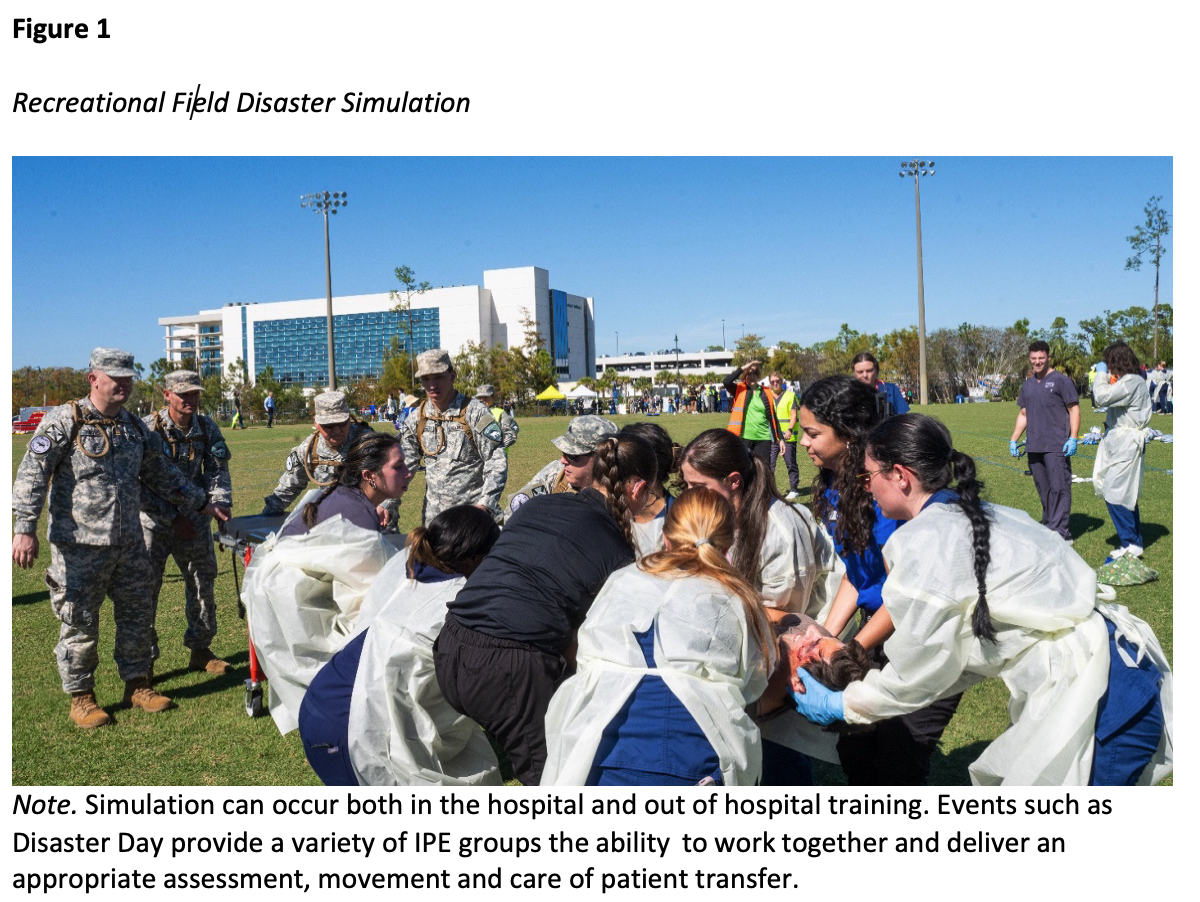
The Interprofessional Education Collaborative (IPEC) objectives are essential to Disaster Day simulations because they align the learning experience with the real-world competencies needed for collaborative healthcare. The simulation reinforces the four IPEC core competencies—values/ethics, roles/responsibilities, communication, and teamwork—by placing students in high-pressure, interdisciplinary scenarios where they must work together to assess, treat, and support patients. This hands-on practice helps students internalize these competencies, improving their readiness to function in diverse, team-based clinical environments (Figure 1).
Disaster Day was designed with several key objectives aimed at enhancing students’ preparedness for real-world healthcare emergencies. The event sought to enhance interprofessional collaboration by bringing together students from various disciplines, fostering teamwork and communication across different healthcare roles. It also aimed to improve triage and emergency management skills, allowing students to practice prioritizing care in a fast-paced, high-stress environment. The simulation provided invaluable real-world exposure to mass casualty protocols, giving students the opportunity to experience firsthand the complexities of managing a large-scale disaster. Additionally, the event was intended to assess students’ knowledge of job action sheets and incident command systems, ensuring they understood the protocols for organizing and responding to emergencies effectively within a structured, coordinated system.
Simulation Modalities in Disaster Day
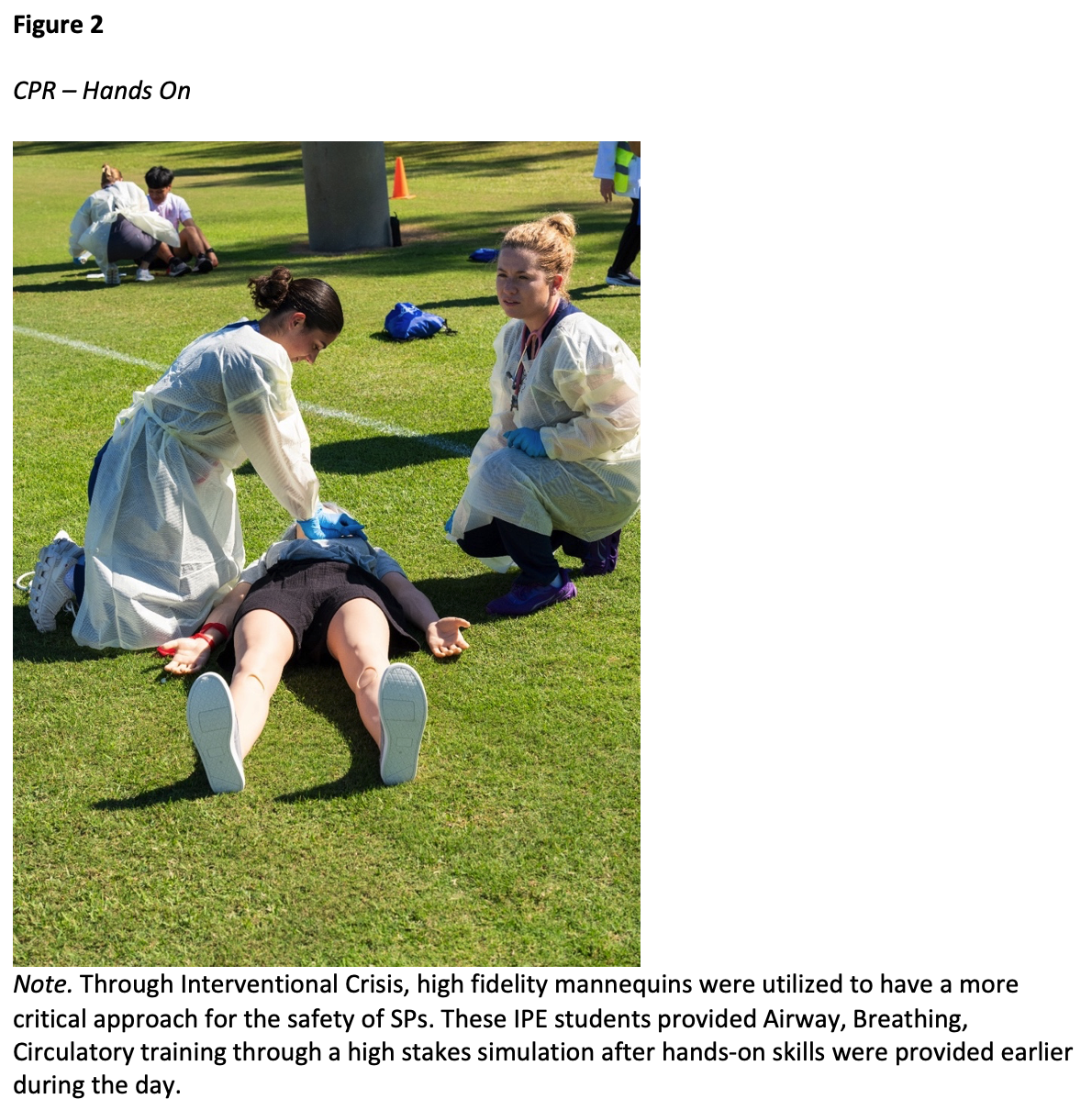
Simulation-based education allows learners to engage in realistic clinical situations without risk to patients. High-fidelity mannequins, virtual reality (VR), standardized patients, and hybrid models enhance engagement and skill development. The Disaster Day simulation included high-fidelity manikins and standardized patients (Figure 2).
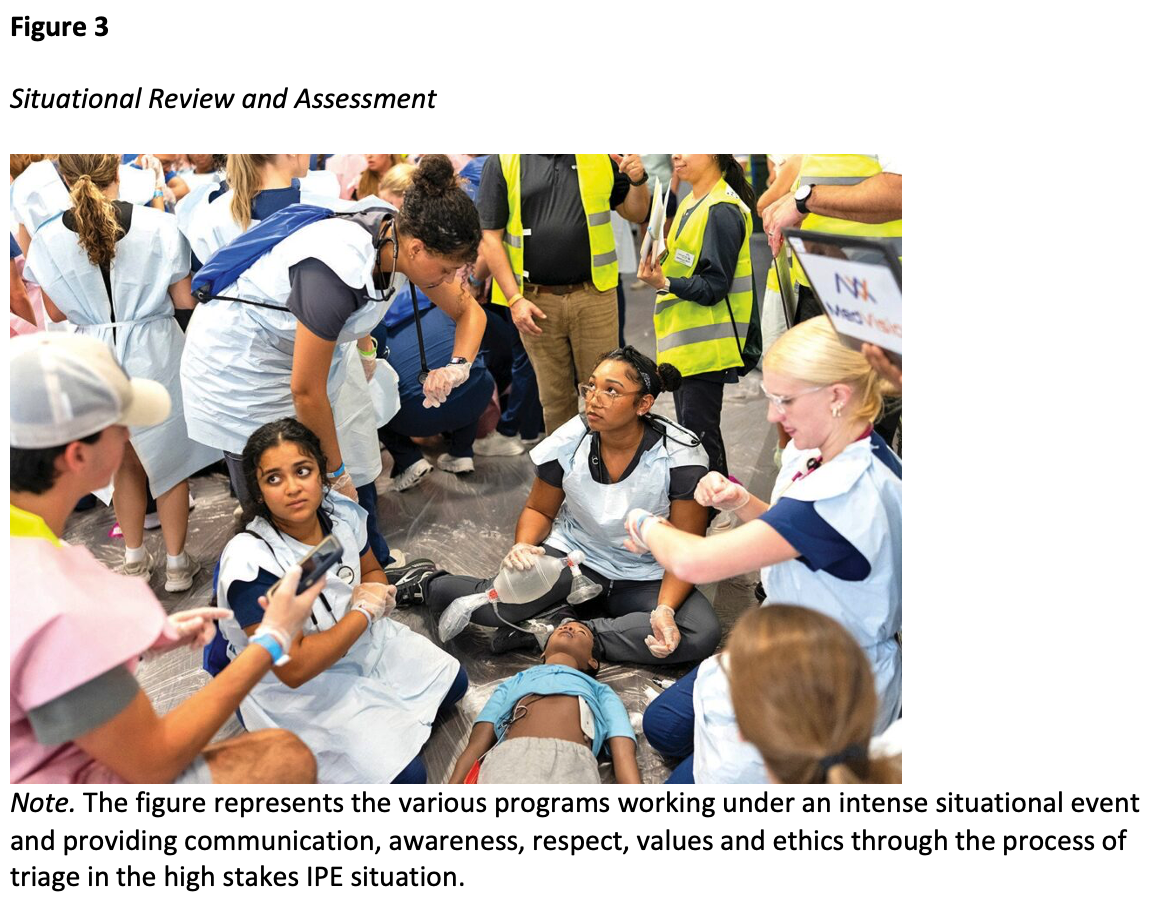
In addition to Marieb College students and faculty, actors from the Bower School of Music and Arts supported the simulation under the direction of Dr. Dan Bacalzo, Associate Professor and Program Coordinator of Directing & Theatre Production. Service Learning Organizations, led by Mrs. Jamie Wilson and Mr. Justin Fitzgerald, helped elicit volunteer support and participation in the simulation. Their involvement also enabled the inclusion of students with disabilities and ESL learners as actors, creating a more realistic and educationally rich environment for all participants by promoting diversity awareness, helping peers develop culturally competent communication skills, and better preparing future healthcare workers to work with patients of varied abilities and backgrounds (Figure 3).
Student Participation and Simulation Roles
The Disaster Day simulation was designed around IPEC competencies by bringing together students from nursing, social work, physical therapy, and physician assistant programs. This ensured that students not only learn the technical skills related to their specific roles but also understand how to work collaboratively, respect each other's expertise, and make collective decisions in real-time crisis situations.
During FGCU’s Disaster Day simulation, each program within the Marieb College of Health & Human Services played vital, discipline-specific roles that reflected real-world emergency response scenarios.
Nursing students, including nurse practitioners and nurse anesthesia students, handled triage, trauma stabilization, medication administration, and airway management. Physician assistant students led diagnostic and treatment efforts within interdisciplinary teams. Social work and counseling students provided mental health first aid, grief support, and trauma-informed care. Public health students focused on epidemiological surveillance, health communication, and community risk management. Clinical laboratory science students simulated specimen analysis and diagnostic testing to support treatment protocols. Occupational therapy and physical therapy students evaluated injuries, facilitated safe patient movement, and supported rehabilitation planning.
Each role emphasized collaborative care, critical thinking, and effective communication in high-pressure environments, preparing students for interprofessional healthcare delivery in real crisis events.
Evaluation of Disaster Day IPE Simulation Program
To evaluate the educational impact of FGCU’s 2024 Disaster Day Interprofessional Simulation, a mixed-methods approach was employed, incorporating both quantitative and qualitative data collection protocols. The sample included over 200 student participants representing nursing, volunteers, social work, public health, physician assistant, physical therapy, occupational therapy, and performing arts programs. Faculty observers, standardized patient actors, and emergency response professionals also contributed to the data pool through structured feedback and performance assessments.
Briefly, Kirkpatrick’s Four-Level Evaluation Model was applied (Kirkpatrick & Kirkpatrick, 2006). At level 1 (reaction), student feedback was collected from graduate-level participants in the form of structured debriefing sessions and reflective journals. At level 2 (learning), knowledge acquisition and skill development were assessed using pre- and post-assessments. At level 3 (behavior), changes in clinical performance and interprofessional collaboration during the simulation were assessed through observational data gathered by trained faculty to assess teamwork, communication, and triage accuracy during simulation scenarios. At level 4 (results), broader outcomes, such as improved stabilization times and enhanced community readiness, were assessed.
Quantitative data were gathered using pre- and post-simulation surveys administered electronically via Qualtrics. These surveys included Likert-scale items aligned with the Interprofessional Education Collaborative (IPEC) core competencies—values/ethics, roles/responsibilities, communication, and teamwork—as well as disaster response confidence and triage decision-making accuracy. The survey instruments were pilot tested for clarity and reliability prior to deployment. A subset of 150 students completed both pre- and post-surveys, allowing for paired statistical analysis.
Observational data were collected using standardized rubrics developed by the FGCU Simulation Education Center. These rubrics assessed interprofessional communication, leadership behaviors, and clinical task performance during simulation scenarios. Observers were trained in rubric use to ensure inter-rater reliability. Key performance indicators included stabilization time, triage accuracy, and team coordination under timed conditions.
Qualitative data were obtained through structured debriefing sessions facilitated by faculty using the PEARLS framework (Promoting Excellence and Reflective Learning in Simulation). Students also submitted reflective journals, which were thematically coded using NVivo software to identify patterns in emotional response, ethical reasoning, and collaborative learning. Feedback from standardized patient actors and emergency responders was integrated to triangulate findings and enrich contextual understanding.
Analytic methods included paired t-tests to assess changes in survey scores, descriptive statistics for observational metrics, and thematic analysis for qualitative data.
RESULTS
This study employed a mixed-methods program evaluation design to assess the educational impact of FGCU’s 2024 Disaster Day Interprofessional Simulation. The simulation was designed to evaluate interprofessional collaboration, clinical decision-making, and disaster response competencies across multiple health disciplines.
Participants
Participants included over 300 students from nursing, social work, public health, physician assistant, occupational therapy, physical therapy, and performing arts programs, along with more than 100 standardized patient actors and volunteers.
Program Evaluation
Results revealed a 35% increase in self-reported confidence in disaster response skills, a 40% improvement in interprofessional communication scores, and a 30% rise in accurate triage decision-making under timed conditions. Observational assessments documented a 25% reduction in average patient stabilization times between early and late scenarios, indicating improved team efficiency. Net Promoter Score (NPS) is a widely used metric that measures customer loyalty and satisfaction with a product, service, or organization. This quantitative value analysis of NPS Score was used to see the how valuable the performance was for the student after the event. NPS analysis yielded a score of 9.5 out of 10, suggesting moderate satisfaction with opportunities for improvement.
Community Collaboration
The 2024 Disaster Day Interprofessional Simulation, hosted by Florida Gulf Coast University’s Marieb College of Health & Human Services, stands as one of the largest and most comprehensive training events of its kind in Southwest Florida.
Critical support and active engagement came from multiple local and regional emergency response agencies, including fire departments, law enforcement, EMS teams, and helicopter medevac units, who participated in drills to replicate real-world disaster conditions. Key programs and organizations such as the FGCU Simulation Education Center, the School of Nursing, the School of Social Work, the Department of Health Sciences, and local hospital partners played vital roles in planning and execution. Simulation stations ranged from triage tents and emergency department set-ups to mental health assessment zones, offering students a rare, immersive opportunity to practice interprofessional collaboration, decision-making, and crisis management in a controlled yet realistic environment.
This event not only showcases FGCU’s leadership in interprofessional education and simulation-based learning but also highlights the power of community and agency partnerships in preparing the future healthcare workforce. NCH Healthcare System, San Carlos Fire Department, Florida State Guard, FEMA, Salvation Army, Red Cross, and Florida Southwestern State College (FSW) played pivotal roles in supporting the IPE Disaster Day event at FGCU. NCH provided invaluable clinical expertise and resources, contributing to the realistic simulation scenarios and ensuring that students had hands-on experience with actual healthcare practices. FSW's collaboration further enhanced the event by offering faculty support, coordinating logistics, and assisting in the integration of various healthcare programs. Their collective involvement helped create a comprehensive and immersive training experience for all participants, reinforcing the importance of interprofessional collaboration in disaster response scenarios.
Planning the 2024 Disaster Day Interprofessional Simulation: A Timeline of Collaboration and Coordination
Planning for the 2024 Disaster Day Interprofessional Simulation officially launched in February 2024, with a strategic planning team formed under the direction of FGCU’s Marieb College of Health & Human Services. The initial meetings focused on reviewing previous years’ feedback, identifying learning objectives, and setting goals for enhanced realism and interprofessional engagement.
Planning and implementation of the 2024 Disaster Day Interprofessional Simulation at Florida Gulf Coast University followed a structured, multi-phase timeline grounded in experiential learning and simulation theory. Between February and March 2024, an interdepartmental steering committee was convened, comprising faculty from Nursing, Social Work, Public Health, and Health Sciences. This team collaboratively identified key themes for the simulation, including mass casualty response, disaster triage, behavioral health crises, and emergency preparedness. Student learning outcomes were defined with a focus on core competencies outlined by IPEC, such as interprofessional collaboration, communication, and critical thinking. Early outreach to community partners such as Lee Health, Collier EMS, local law enforcement, and aerial medical evacuation services laid the foundation for a robust, multi-agency training experience.
From April to May 2024, logistical planning intensified. Simulation spaces were secured, including the SoVi Green, on-campus emergency shelters, and the Simulation Education Center. Volunteers and standardized patient actors were recruited and trained through the Bower School of Music & the Arts.
Emergency services coordinated live vehicle demonstrations, helicopter landings, and triage simulations, while a multi-agency operations plan was developed to ensure safety, security, and real-time communication throughout the event.
From June to August, scenario development and training were the primary focus. Faculty workgroups designed scripted cases addressing physical trauma, emotional distress, hazardous exposure, and pediatric emergencies. These scenarios were aligned across disciplines to promote interprofessional learning. Once the cases were developed, training sessions for student leaders and volunteers were initiated for moulage techniques, actor behavior scripting, and emergency protocol rehearsals.
In the final phase from September to October, tabletop drills and walkthroughs were conducted with faculty, emergency responders, and student leaders to validate logistics and readiness. Promotional efforts included campus-wide communications, flyers, and interdepartmental announcements to ensure broad participation. Final coordination meetings with external agencies confirmed roles, contingency plans, and operational flow.
The simulation was executed in November 2024, hosting over 600 participants across multiple zones. Post-event debriefing sessions were held to assess student performance, gather feedback, and evaluate interagency collaboration. Data and reflections were compiled to inform future simulations and contribute to scholarly dissemination.
Integration of Simulation Technology
Technological advancements are redefining the landscape of healthcare simulation. FGCU’s Disaster Day utilizes a variety of tools that reflect this evolution. For example, high-fidelity mannequins simulate physiological responses such as bleeding, breathing, and cardiac function. Audio-visual systems capture live footage for later debriefs, reinforcing the value of feedback-based learning (Motola et al., 2013). Research supports these models as highly effective. For example, a study by Foronda et al. (2020) found that hybrid simulation improved clinical reasoning and communication skills as much as, if not more than, traditional in-person formats. This allows institutions to extend disaster training even to students who may not be physically present at the simulation site.
These technologies are rooted in the INACSL Standards of Best Practice for simulation, which emphasize realism, scenario design, and debriefing as core pillars for effectiveness (INACSL, 2021). At FGCU, post-simulation debriefs are structured using the PEARLS framework (Promoting Excellence and Reflective Learning in Simulation), allowing learners to internalize lessons from real-time events.
Hybrid simulation – a combination of virtual reality, standardized patients, and physical equipment – was crucial to the success of the Disaster Day event. This growing focus in healthcare education offers scalability and accessibility, particularly valuable in post-pandemic educational environments. The hybrid model allowed for a seamless integration of both in-person and virtual learning experiences, ensuring accessibility, flexibility, and realism in the mass casualty training scenario. FGCU's simulation curriculum includes remote prep modules, asynchronous training, and real-time telehealth integration, blending virtual and hands-on learning.
During Disaster Day, students engaged in hands-on, high-fidelity simulation while also incorporating virtual tools such as remote patient assessments, telemedicine platforms, and crisis management systems. Students from different health disciplines—nursing, physical therapy, social work, and physician assistant programs—participated in both physical simulation activities (like triaging patients, performing emergency medical procedures, and providing crisis counseling) and virtual components. Some students used telemedicine to assess patients remotely or practice virtual collaboration with team members in different locations. Virtual patient monitoring allowed students to interact with simulated patient data, such as heart rates, oxygen levels, or lab results, enhancing their ability to make clinical decisions based on real-time information (Figure 4).
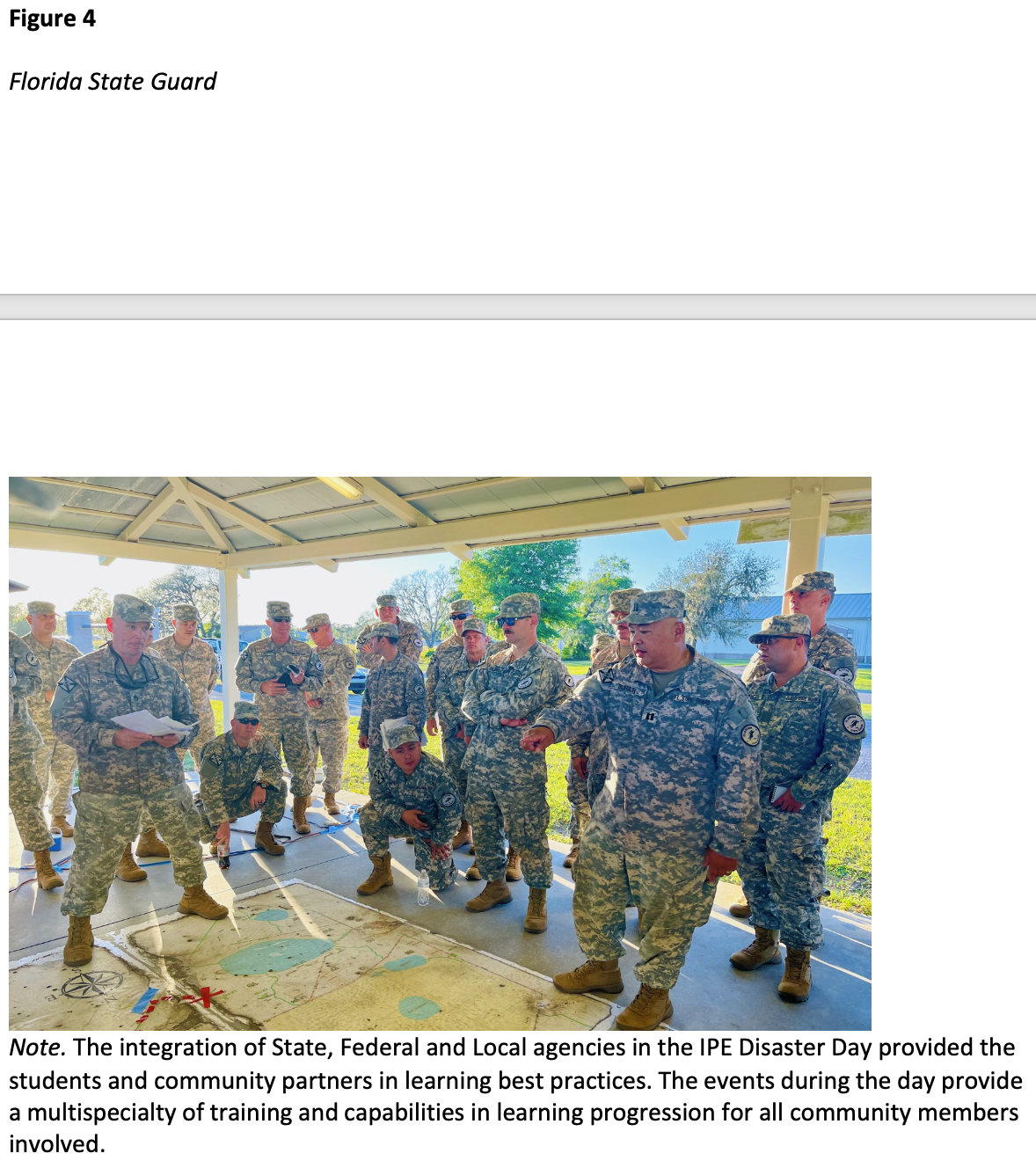
This approach was particularly valuable in preparing students for real-world disasters, where technology often plays a critical role in emergency response coordination. Additionally, it enabled broader participation, allowing students who might have been unable to attend in person—such as those in remote locations or with scheduling conflicts—to still be involved. By combining in-person, interactive scenarios with digital elements, the hybrid simulation provided a comprehensive and realistic training environment that closely mirrored the dynamic, multi-faceted nature of actual disaster response.
Accessibility and Cost Efficiency
Hybrid simulations also increase educational access by providing virtual modules to rural or underserved programs to replicate disaster training. FGCU’s use of hybrid tools allows for broader inter-university collaboration and a more inclusive approach to health equity education, ensuring all students experience high-impact scenarios regardless of location.
Vendors played a crucial role in the accessibility and cost-efficiency of the Disaster Day event by providing essential resources, tools, and support that helped maximize the event's impact without placing undue financial strain on the organizers. Vendors supplied high-quality equipment such as medical supplies, simulation mannequins, moulage materials for realistic injury simulation, and even virtual simulation platforms. This support allowed for a more immersive and professional simulation experience, enhancing the realism of the scenarios. Moreover, partnerships with vendors often come with discounts or donations, reducing the overall cost of running such a large-scale event. By securing these external resources, FGCU could offer students and volunteers an authentic disaster response training experience without the burden of purchasing or renting expensive equipment. Additionally, vendors’ participation helped ensure that the event could be held on a larger scale, allowing for the inclusion of more students, a wider range of simulations, and the opportunity to practice a variety of disaster response roles, all of which contributed to the event's accessibility and long-term sustainability. A special recognition to Laerdal, Elevate, Tac Medical, Gaumard, and Medtronic.
Additionally, simulation programs reduce long-term costs by lowering liability in clinical placements, improving readiness, and decreasing turnover due to burnout among new graduates (Rutherford-Hemming et al., 2014). Thus, the return on investment is both educational and economic.
DISCUSSION
The 2024 Disaster Day Interprofessional Simulation, hosted by Florida Gulf Coast University’s Marieb College of Health & Human Services, stands as one of the largest and most comprehensive training events of its kind in Southwest Florida. We showed an improvement in self-reported confidence in disaster response skills, interprofessional communication scores, accurate triage decision-making under timed conditions, and time to patient stabilization.
These results were interpreted through the lens of Bloom’s Taxonomy, which scaffolded learning across cognitive (triage protocols and decision-making), affective (empathy and ethical care), and psychomotor (hands-on clinical skills) domains. Miller’s Pyramid Clinical Competence was used to evaluate progression from foundational knowledge (“knows”) to real-time performance (“does”), particularly among graduate students who assumed leadership roles. Kirkpatrick’s Four-Level Evaluation Model provided a comprehensive framework for assessing reaction (student satisfaction), learning (knowledge and skill acquisition), behavior (application in simulation), and results (impact on team performance and readiness).
Together, these metrics support FGCU’s Disaster Day as a best-practice model for immersive, interprofessional disaster preparedness training. The integration of rigorous data collection protocols, theoretical frameworks, and multi-source feedback ensures that the simulation meets both educational and empirical standards, contributing meaningfully to the field of simulation-based learning.
Advanced Interprofessional Competencies
Graduate students—particularly those in nurse practitioner, physician assistant, and social work programs—played a unique leadership role in Disaster Day. Their responsibilities include supervising undergraduate peers, coordinating command structures, and analyzing systemic risk factors. These roles are essential in replicating the hierarchy and team dynamics found in real disaster scenarios.
Through advanced participation, graduate students demonstrate IPEC’s Level 3 competencies, focusing on systems thinking and collaborative leadership (IPEC, 2016). FGCU assesses graduate student outcomes through leadership rubrics, reflective journals, and interprofessional peer evaluations, which demonstrate improvements in delegation, ethical decision-making, and team-based care planning.
Curriculum Development at the Graduate Level
FGCU’s simulation event is fully embedded into capstone courses and practicum experiences. Many programs were involved in this simulation, including graduate students from occupational therapy, physical therapy, and the physician assistant program. Students are assessed not only on clinical judgment but also on community collaboration, psychosocial response, and trauma-informed care. Some of the key components look at the complexity of understanding BLS and ACLS standards. This scaffolding aligns with AACN Essentials: Core Competencies for Professional Nursing Education (American Association of Colleges of Nursing, 2021), which emphasize population health, systems-based practice, and interprofessional partnerships as key graduate-level objectives.
The Disaster Day event at FGCU supports Occupational Therapy (OT), Physical Therapy (PT), and Physician Assistant (PA) programs by aligning with accreditation standards such as those from ACOTE, CAPTE, and ARC-PA, respectively. These standards emphasize interprofessional collaboration, experiential learning, and emergency preparedness. The simulation fosters competency in areas core to accreditation requirements, such as communication, ethical decision-making, systems-based practice, and teamwork, while offering hands-on experiences in patient triage, mobility, and acute care.
Moreover, the Disaster Day simulation supports Clinical Nurse Educator (CNE) and Doctor of Nursing Practice (DNP) competencies in areas such as quality improvement and clinical decision-making. Faculty use structured evaluation tools to assess whether students meet programmatic outcomes, ensuring alignment with accreditation standards from CCNE and ACEN (Figure 5).
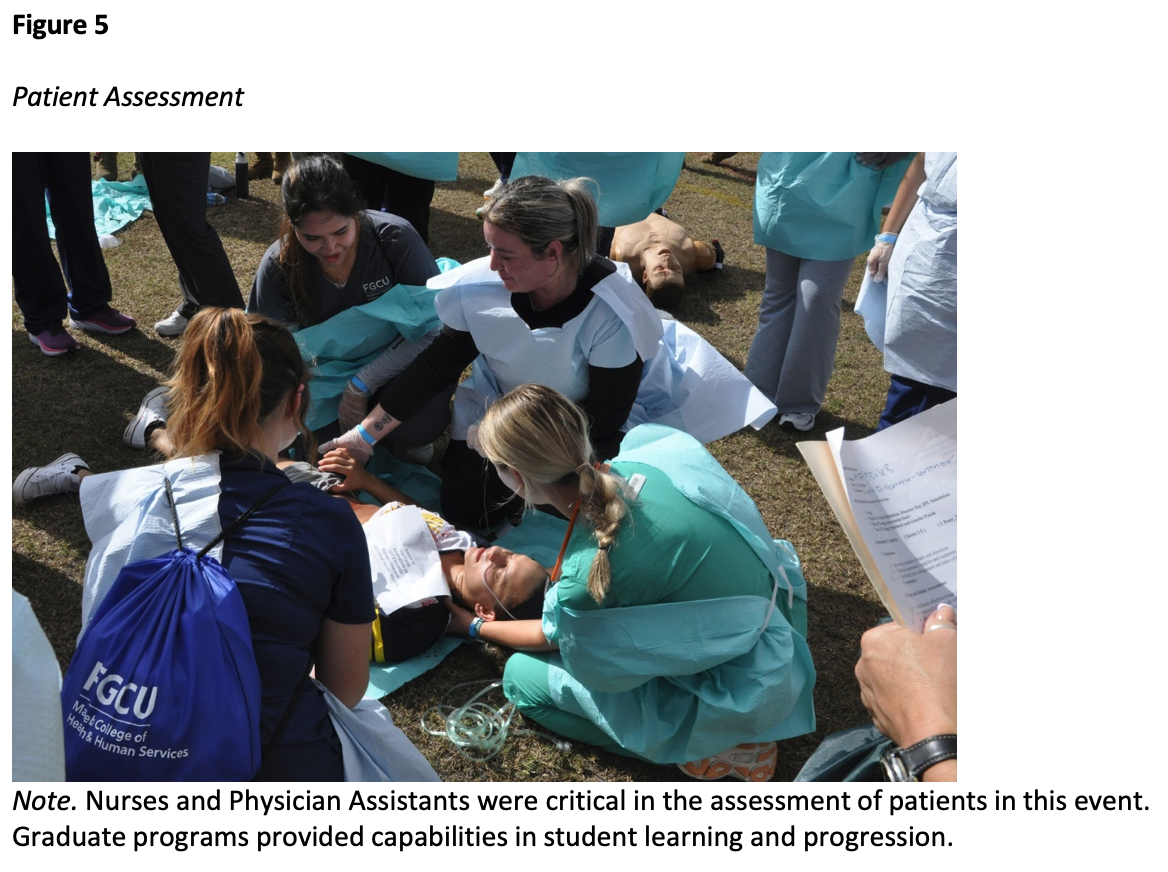
Nationwide Growth of Disaster Simulations
The relationship between Texas A&M University and Florida Gulf Coast University in the context of disaster day events highlights both similarities and differences in their approaches to interprofessional education and simulation-based training for disaster response. Both universities emphasize interprofessional collaboration, with students from diverse healthcare disciplines, such as nursing, physician assistants, physical therapy, and social work, working together in disaster simulations. This mirrors the IPEC core competencies of teamwork, communication, and understanding each profession’s role in healthcare. Both Texas A&M and FGCU also replicate real-world disaster scenarios, offering students valuable hands-on experience in managing mass casualty situations. Community partnerships play a key role in both events, with Texas A&M collaborating with local emergency responders and FGCU working with NCH Healthcare System and Florida SouthWestern State College (FSW) to support the training.
Disaster Day simulations are gaining momentum nationwide as essential components of healthcare education. Institutions like Texas A&M Health Science Center, University of New England, and University of Texas Medical Branch have implemented similar programs. These events often simulate natural disasters, pandemics, or chemical exposures to test emergency response systems and interprofessional readiness.
At Texas A&M, for example, more than 600 students participate annually in a simulation that includes realistic scenarios, mass casualty response, and integration with local emergency services (Cason et al., 2015). Like FGCU, they employ volunteer actors, moulage, and command center coordination ( Figure 6). A 2021 report found that students who participated showed significantly improved communication skills and emergency response efficacy.
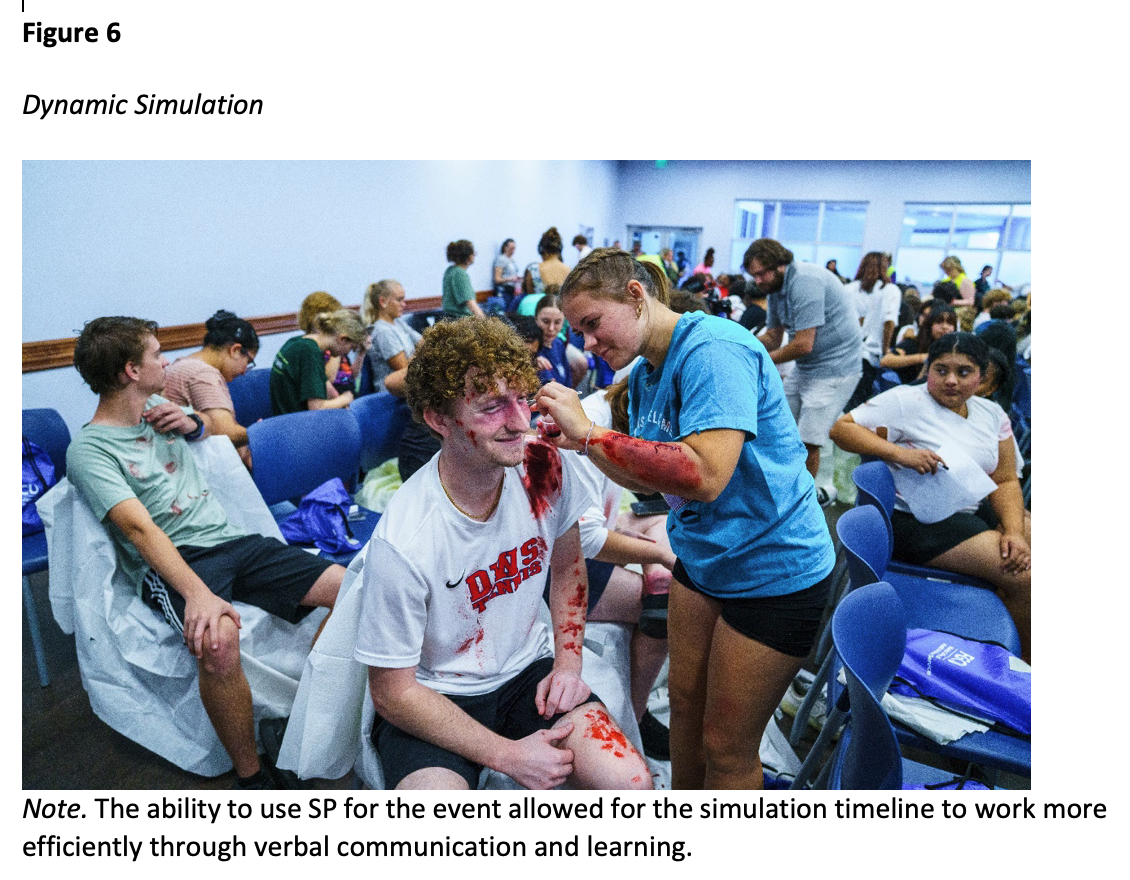
Despite these similarities, there are several differences between the two events. Texas A&M’s disaster simulation tends to be on a much larger scale, involving over 600 students annually, and often includes more extensive mass casualty scenarios (Texas A&M University Health Science Center (2023, October 18). In contrast, FGCU’s event is generally smaller in scope, focusing on high-fidelity, intimate scenarios. Technology also plays a significant role in the Texas A&M simulation, which incorporates advanced virtual reality (VR) and augmented reality (AR) tools to enhance realism. While FGCU also uses hybrid simulation, blending in-person and virtual components, the level of technological integration at Texas A&M is more comprehensive. Furthermore, Texas A&M’s disaster simulation spans multiple phases over several weeks, while FGCU’s typically takes place in a single day. Lastly, Texas A&M often includes a focus on global and rural disaster preparedness, training students to respond to international and remote crises, whereas FGCU’s training is more localized, addressing Florida-specific disaster risks, such as hurricanes. Despite these differences, both universities share a commitment to preparing healthcare students for effective, collaborative disaster response, equipping them with the necessary skills to respond to real-world emergencies.
Research across various institutions reveals consistent and positive outcomes from large-scale interprofessional education (IPE) simulations. These simulations have been shown to significantly improve communication across disciplines (Cervero & Gaines, 2015), enhance confidence in clinical judgment and leadership skills (Gordon et al., 2020), and deepen participants' understanding of health systems and policy integration (Keller et al., 1998). Notably, students have rated these simulations highly, with a Net Promoter Score (NPS) of 9.5 out of 10, reflecting strong satisfaction and perceived value. Additionally, the trend toward multi-institutional collaboration is becoming a defining feature of advanced simulations. For example, Florida Gulf Coast University (FGCU) has established partnerships with local EMS, law enforcement, and public health agencies, demonstrating how academic institutions can play a central role in promoting community preparedness and resilience.
Challenges and Opportunities
While simulation is effective, it is also resource-intensive. Challenges include securing funding, recruiting volunteers, and ensuring alignment across curricula. Hybrid models and virtual reality can mitigate some of these barriers. Institutions are now exploring regional simulation consortia and open-access toolkits to support widespread adoption and resource sharing (Haerling et al., 2023).
Volunteers played a crucial role in the success of the Disaster Day event, as they helped bring the simulation to life by acting as patients, providing support, and contributing to the logistical needs of the event. Their participation was vital for creating realistic scenarios and ensuring that students from different healthcare programs could practice their roles in an authentic, interprofessional environment. Volunteers brought diversity to the simulation, including students with disabilities and ESL learners, which enriched the learning experience for participants by enhancing cultural competence and providing exposure to a variety of patient interactions. In addition, therapy animals were used for mental health assistance during crises (Figure 7).
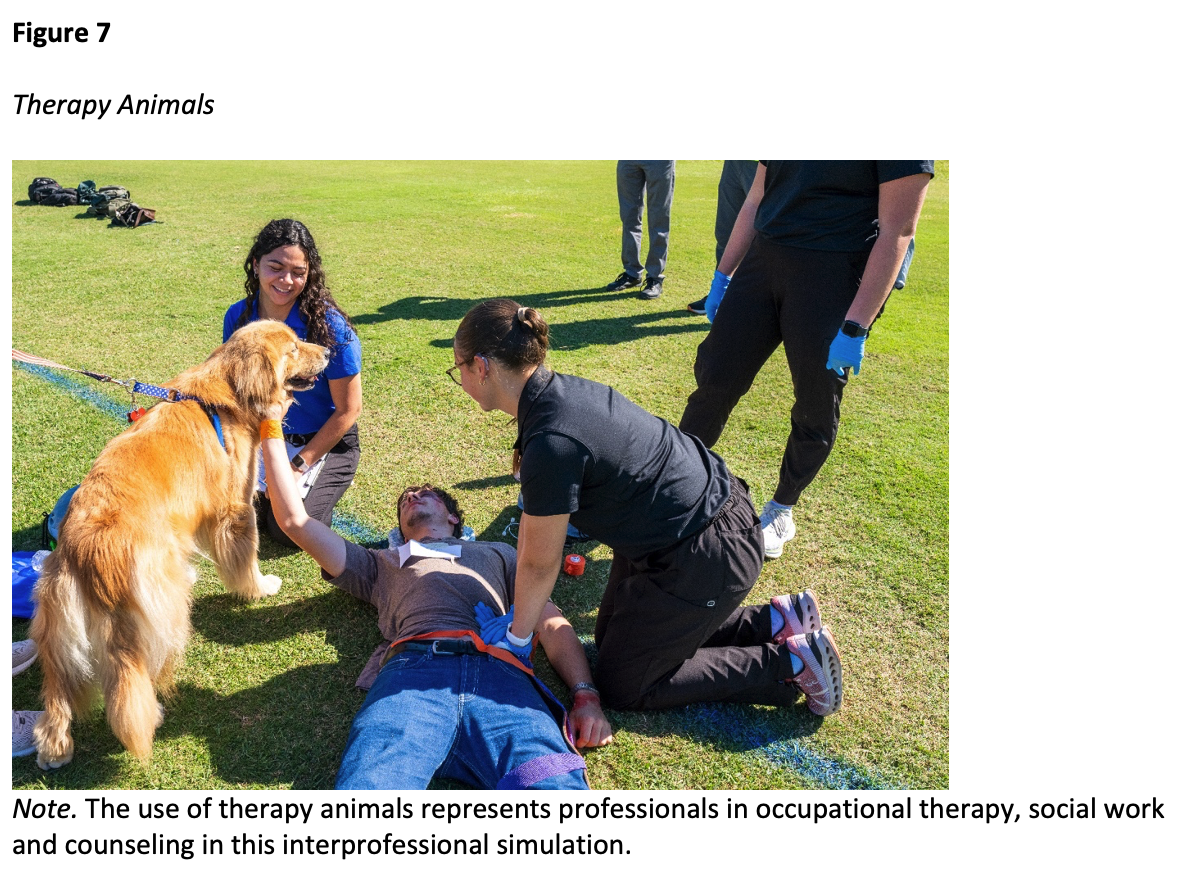
However, the lack of commitment from some volunteers, who canceled 48 to 72 hours prior to the event, presented a significant challenge. This unpredictability created logistical issues, as last-minute cancellations meant that organizers had to scramble to find replacements, potentially leading to gaps in the simulation and disruptions in the planned scenarios. The absence of volunteers also meant that certain roles or patient cases could not be fully realized, impacting the quality of the learning experience for students. This lack of commitment also increased stress on event coordinators and may have reduced the overall effectiveness of the event, especially in providing a fully immersive and realistic training environment. Ensuring stronger volunteer engagement and clearer communication about expectations could help mitigate these challenges in future events.
Limitations and Opportunities for Future Research
While this special report provides a comprehensive description of the design, implementation, and outcomes of FGCU’s Disaster Day Interprofessional Simulation, the overarching scholarly purpose of the manuscript would benefit from further clarification. Specifically, future iterations of this work should more explicitly delineate whether the primary intent is to evaluate simulation design, execution fidelity, educational outcomes, or comparative institutional effectiveness. Although this event is being presented as a programmatic case study, the inclusion of external institutional comparison offers an important contextual benchmark that could be further developed into a more rigorous comparative analysis framework.
Additionally, outcomes reported in this study rely primarily on single-event pre- and post-assessment data from one annual simulation cycle. Because Disaster Day is an annual event, the inclusion of multi-year longitudinal data would strengthen claims of sustained educational impact and programmatic effectiveness. 2025 is the first event that has held metric values IRB-approved. Future collaborative, multi-institutional studies could help determine whether the observed outcomes are generalizable across different program sizes, geographic regions, and institutional resources.
Another limitation is that outcome measures were aggregated across multiple domains of learner performance. As a result, it is difficult to determine which specific components of the simulation—such as triage training, leadership roles, communication exercises, or hybrid simulation elements—were most strongly associated with observed improvements in learner evaluation. Future research employing stratified outcome analysis or station-specific performance metrics would allow more precise identification of high-impact educational components. Addressing these areas in future investigations will strengthen the empirical foundation of interprofessional disaster simulation scholarship and support broader adoption and scalability of IPE disaster training models across academic institutions.
FGCU is well-positioned to lead in this space even with challenges, thanks to its community integration, investment in high-fidelity simulation spaces, and support from state and federal preparedness agencies.
CONCLUSIONS
The Disaster Day Interprofessional Simulation at Florida Gulf Coast University represents a gold standard for interdisciplinary healthcare education. By replicating real-world emergencies in a controlled, collaborative environment, students gain not only clinical skills but the ability to lead and innovate in high-stakes settings.
Looking forward, simulation education must expand beyond the classroom. It should incorporate digital technology, support flexible and hybrid access, and be embedded throughout curricula—from pre-licensure through doctoral study. Academic institutions must prioritize faculty development in simulation facilitation, secure sustainable funding, and build stronger alliances with local healthcare systems.
Interprofessional simulation is not just a pedagogical tool—it is a public health imperative. As threats from natural disasters, pandemics, and social crises grow more complex, preparing the future healthcare workforce with responsive, coordinated, and technologically integrated education will be vital. FGCU’s efforts in advancing interprofessional simulation contribute meaningfully to this evolving educational landscape.
Ethics Approval and Consent to Participate: This event was conducted in accordance with the IPEC standards of practice. Ethics approval was supported by the Interprofessional Advisory Group as well as the Ad Hoc Team, and all participants provided verbal and written consent prior to participation in the Disaster Day simulation.
Funding: This research received no external research funding. No funds, grants, or other financial support were provided for the preparation of this manuscript.
Acknowledgments: The author would like to thank the interprofessional teams from Social Work, Nursing, Physician Assistant Studies, Advanced Graduate Nursing, Clinical Lab, Counseling, Occupational Therapy, Physical Therapy, Public Health Administration, School of Music, School of Theater, Emergency Management, San Carlos Fire Department, Lee Flight, , Lee Health, NCH Simulation Center, Florida State Guard, Red Cross, FSW, American Heart Association, SWFL Coalition, for their collaboration. Special thanks to Dr. Elizabeth Swan, Susan Bauer, Zac Gelow, Dr. Bacalzo, Hope Goodwin, Tesa-Ann Smith, Traci Pearce, Lori Zallie, Kim Hobart, and Emily Buhain for coordination support and to the students who participated in the simulation.
A special thank you to Dr. Shawn Felton, Dean of the Marieb College of Health & Human Services and Provost & Executive VP for Academic Affairs and Science, and Dr. Elizabeth Murray, Assistant Dean of Curriculum, Accreditation & Assessment at the Marieb College of Health & Human Services, for your leadership and support of this event. This would have been as successful as it was without your leadership support.
REFERENCES
American Association of Colleges of Nursing. (2021). The Essentials: Core Competencies for Professional Nursing Education. https://www.aacnnursing.org/Portals/0/PDFs/Publications/Essentials-2021.pdf
Bloom, B. S. (1956). Taxonomy of educational objectives, Handbook I: The cognitive domain. David McKay.
Cervero, R. M., & Gaines, J. K. (2015). The Impact of CME on physician performance and patient health Outcomes: An updated synthesis of Systematic reviews. Journal of Continuing Education in the Health Professions, 35(2), 131–138. https://doi.org/10.1002/chp.21290
Foronda, C. L., Fernandez-Burgos, M., Nadeau, C., Kelley, C. N., & Henry, M. N. (2020). Virtual Simulation in Nursing Education: A Systematic review spanning 1996 to 2018. Simulation in Healthcare the Journal of the Society for Simulation in Healthcare, 15(1), 46–54. https://doi.org/10.1097/sih.0000000000000411
Haerling, K., Kmail, Z., & Buckingham, A. (2023). Contributing to Evidence-Based regulatory decisions: a comparison of traditional clinical experience, Mannequin-Based simulation, and Screen-Based virtual simulation. Journal of Nursing Regulation, 13(4), 33–43. https://doi.org/10.1016/s2155-8256(23)00029-7
Interprofessional Education Collaborative (IPEC). (2016). Core Competencies for Interprofessional Collaborative Practice: 2016 Update. https://ipec.memberclicks.net/assets/2016-Update.pdf
INACSL Standards Committee. INACSL standards of best practice: Simulation. Clin Simul Nurs 2021; 58: September 2021, Page 66 https://doi.org/10.1016/j.ecns.2021.08.018
Keller, L. O., Strohschein, S., Lia‐Hoagberg, B., & Schaffer, M. (1998). Population‐Based Public Health Nursing Interventions: A Model from Practice. Public Health Nursing, 15(3), 207–215. https://doi.org/10.1111/j.1525-1446.1998.tb00341.x
Kirkpatrick, D. L. (1994). Evaluating training programs: The four levels. Berrett-Koehler.
Kolb, D. (1983). Experience: Experience as the source of learning and development. Prentice Hall. ISBN: 0132952610.
Motola, I., Devine, L. A., Chung, H. S., Sullivan, J. E., & Issenberg, S. B. (2013). Simulation in healthcare education: A best evidence practical guide. AMEE Guide No. 82. Medical Teacher, 35(10), e1511–e1530. https://doi.org/10.3109/0142159x.2013.818632
Miller, G. E. (1990). The assessment of clinical skills/competence/performance. Academic Medicine, 65(9), S63-7. https://doi.org/10.1097/00001888-199009000-00045
Rutherford-Hemming, T., Lioce, L., & Durham, C. F. (2014). Implementing the standards of best practice for simulation. Nurse Educator, 40(2), 96–100.
https://doi.org/10.1097/nne.0000000000000115
Texas A&M University Health Science Center. (2023, October 18). Students gain real-world experience on disaster response through exercise. Vital Record. https://vitalrecord.tamu.edu/students-gain-real-world-experience-on-disaster-response-through-exercise/
World Health Organization. (2010, September 1). Framework for Action on Interprofessional Education and Collaborative Practice. https://www.who.int/publications/i/item/framework-for-action-on-interprofessional-education-collaborative-practice